Truck vs. Trailer vs. Renting the Home Depot Van: Hauling Costs Compared
The real 2026 cost per haul of owning a pickup, buying a utility trailer, or renting by the trip — with AAA ownership data, rental counter rates, and the break-even chart that tells you which one fits your life.
Worked examples from researched US prices — educational information, not financial, tax or legal advice. Full disclaimer
On this page6 sections
"I need a truck" might be the most expensive sentence in male American life. Sometimes it's true — trades, towing, gravel roads. But for the guy who hauls a couch, some mulch, and the occasional Marketplace dresser, "I need hauling capability a few times a month" is the accurate sentence, and it has three very differently priced answers: own the truck, own a trailer, or rent the capability by the hour.
I've run all three. Here's what each actually costs in 2026, and the break-even math that sorts them.
Option one: the truck
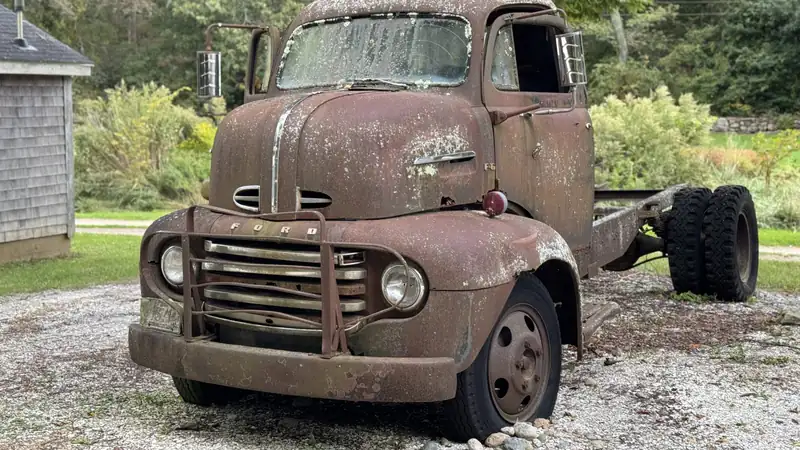
AAA's ownership data puts the average new vehicle at $11,577 a year all-in — and pickups are the most expensive category they track, running about $6,400 a year more than a small sedan once fuel, insurance, and depreciation are counted. Buying used softens depreciation but not fuel, tires, or insurance.
None of that makes trucks irrational. It makes them a lifestyle purchase with a hauling feature — fine, if priced as such. If you're truck shopping anyway, my used-car negotiation playbook applies double at truck prices.
Option two: the trailer
The quiet middle option. A hitch on the vehicle you already own, plus a utility trailer:
| Item | Cost |
|---|---|
| Class II/III hitch + wiring, installed | $250–$450 |
| 4×8 folding trailer (Harbor Freight class), built out | $350–$550 |
| …or used 5×8 landscape trailer, Marketplace | $800–$1,600 |
| Registration/plate (varies by state; Ohio ~$36/yr) | $20–$75/yr |
| Tires, bearings, lights amortized | ~$60/yr |
| First year, frugal build | ~$700–$1,100, then ~$100/yr |
Hitch install and trailer prices checked August 2026 (Harbor Freight lists folding utility trailers in the $300–$500 range on sale; U-Haul and etrailer for hitch installs). Most crossovers and many sedans tow 1,500–3,500 lbs — check your owner's manual, not the forum.
Option three: rent the capability
The counter rates, August 2026: Home Depot's Load 'N Go pickups and vans start around $19 for the first 75 minutes (roughly $5 per additional 15 minutes; check your store) — enough time for most single-item hauls if you're organized. U-Haul pickups and cargo vans run about $19.95 plus ~$0.79–$1.19 per mile. U-Haul utility trailers rent for roughly $15–$45 a day depending on size — which, note, also makes "rent the trailer occasionally" a legitimate fourth option for the couple-times-a-year guy.
A realistic Home Depot van trip — 75 minutes plus one overtime block and gas — lands at $25–$40. Call it $30 a haul, all-in, zero standing cost. The catch is friction: two trips to the store bookending every haul, availability roulette on Saturday mornings, and Marketplace deals that die because "I can pick it up Thursday after I rent a van" loses to the guy with a trailer who can come now. If you're flipping furniture on any schedule — see the 90-day flipping plan — that speed is money.
What each option actually carries
Cost math means nothing if the option can't physically do your hauls, so match the capability before the price:
The rental van/pickup takes a couch, a fridge, ten bags of concrete, a disassembled bed — the classic single-item and hardware-store hauls, protected from weather in the van's case. It does not take a riding mower up a ramp (store trucks don't carry them), a 16-foot lumber load, or anything on a Sunday at 7 AM when the counter's closed.
The 4×8 folding trailer handles roughly 1,100–1,700 lbs depending on model — mulch by the half-yard, appliances, mowers, most furniture — but it's an open deck with 12-inch wheels: plan on tarps, real strapping, and modest highway speeds. The used 5×8 landscape trailer with a ramp gate is the meaningful upgrade: equipment rolls on, sides hold loose loads, and resale is so strong that a well-bought one costs you almost nothing to own for five years and sell.
The pickup wins on spontaneity and the stuff trailers hate: towing and hauling at once, bad-weather confidence, construction-site duty, and the 6 AM dump run decided at 5:45. If your year genuinely contains a lot of those, you're not the guy this article is arguing with.
And a fourth option deserves ink because it quietly dominates American hauling: the favor economy. Your buddy's truck plus a case of decent beer and gas money is a real market with a real clearing price. Use it sparingly and reciprocate honestly — the exchange rate collapses somewhere around the third dresser, and rebuilding that credit line costs more than a year of trailer registration. If you're borrowing more than a few times a year, you're a trailer owner in denial; buy the trailer and become the guy with the favor to lend. It pays interest in ways spreadsheets don't capture.
The crossover chart
The decision, cleanly
Score yourself honestly
- Count last year's actual hauls — the historical number, not the aspirational one. This is the same discipline as every cost-per-use decision.
- 0–8 hauls/year: rent. $19 vans exist precisely so you don't finance a standby fleet.
- 8–30 hauls/year, and you own something that tows and a place to park: hitch + used trailer. Cheapest cost-per-haul on the board by year two.
- 30+ hauls, or loads a 4×8 trailer can't take, or you're running a hauling-dependent hustle: now the truck conversation is a business conversation. Run it as one.
- Whatever you pick: buy two ratchet straps rated beyond your heaviest load and learn to use them. An unsecured-load ticket — or a couch on the interstate — erases years of smart math.