Flipping on Facebook Marketplace: The 90-Day Plan, 27 Deals, and the Real Profit Math
A disciplined 90-day flipping plan for Facebook Marketplace: which categories actually move, real US buy/sell spreads, a modeled deal-by-deal ledger, and the no-show problem nobody warns you about.
Worked examples from researched US prices — educational information, not financial, tax or legal advice. Full disclaimer
On this page6 sections
Flipping used stuff is the oldest side hustle there is, and Facebook Marketplace is currently the best venue for it: no listing fees, no shipping, cash in hand, and an endless supply of people who price things to disappear by Saturday. It's also the hustle with the biggest gap between the highlight reel and the Tuesday-night reality of waiting in a Kroger parking lot for a buyer who stopped answering an hour ago.
I've flipped on and off for years — furniture, tools, a regrettable number of treadmills. This is the plan I'd hand a friend starting with $500: what to buy, what the spreads really look like in US metros in 2026, and a 90-day ledger modeled the honest way, with the duds left in.
The categories that actually move
Forget "buy low, sell high" as a slogan; the skill is knowing the handful of categories with reliable spreads and fast sell-through. These are the workhorses:
| Category | Buy at | Sells for | Time to sell |
|---|---|---|---|
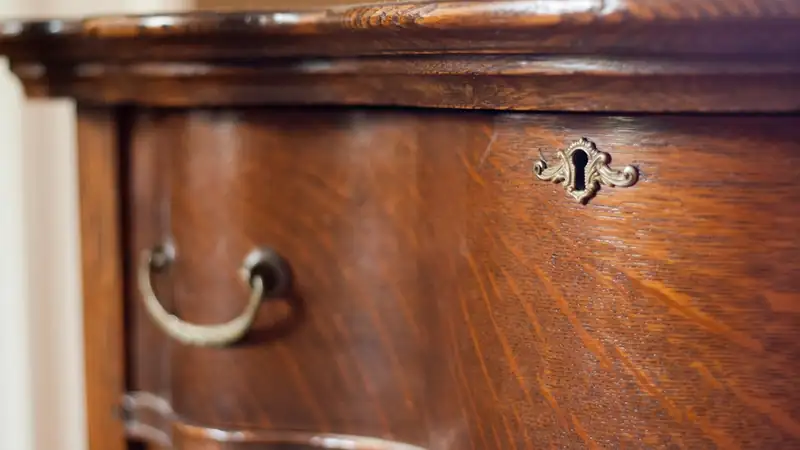
| Solid-wood dressers & desks (not particleboard) | $20–$60, often free | $80–$250 | 3–14 days |
| Washers & dryers, working, 5–10 yrs old | $50–$150 | $150–$350 each | 2–7 days |
| Name-brand power tools (DeWalt, Milwaukee) | $25–$80 | $60–$150 | 1–7 days |
| Patio sets & grills (spring/summer) | $30–$100 | $100–$300 | 2–10 days |
| Exercise gear: plates, racks, spin bikes | $0.30–$0.60/lb plates | $0.80–$1.25/lb | 1–10 days |
| Mowers & snow blowers, in season, running | $40–$120 | $120–$300 | 1–7 days |
Spreads compiled from tracking sold listings in Midwest and Sun Belt metros, summer 2026. Coastal metros run 20–40% higher on both sides. Treadmills, pianos, and glass-top furniture are where profit goes to die — they're heavy, fragile, and everyone's getting rid of one.
Two structural rules hide in that table. First, weight is the moat: the spreads exist because most people can't move a dresser or a washer. If you can — see my hauling cost comparison for the cheapest way to get that capability — you're competing with a fraction of the market. Second, season is leverage: grills in April, snow blowers in November. Buy them in the off-season for half and hold if you have the garage space.
The 90-day plan, $500 bankroll
The operating rhythm
- Weeks 1–2: buy nothing over $40. Do five small flips (tools, single furniture pieces) to learn pricing, photos, and meetup logistics with cheap mistakes.
- Set saved searches with alerts for your categories; the profitable listings are claimed within hours of posting, usually by whoever messaged first with "I can pick up today at 6."
- Photograph in daylight against a plain wall or garage door, six photos minimum, measure everything, list the flaws honestly — it kills the haggling before it starts.
- Price 10–15% above your target and let buyers "win" the difference. List on a Thursday or Friday; weekend traffic is double.
- Weeks 3–12: keep $150–$250 deployed in inventory at all times, cap any single buy at 30% of bankroll, and hold nothing longer than three weeks — drop the price 20% and move on. Dead inventory is the silent killer.
- Log every deal — buy price, sell price, miles driven, minutes spent. The log is the difference between a business and a habit.
Your first $200 in inventory, specifically
The messages matter as much as the merchandise. Buying: "Is the dresser still available? I can pick up today at 6 PM and pay cash — would you take $45?" — availability check, concrete time, cash, one respectful number, all in one message, because the seller is fielding twelve "is this available" ghosts and will hand the deal to whoever sounds like they'll actually show. Selling: answer fast, answer the question asked, and offer two pickup windows. Speed is the whole personality of this business.
What 27 deals realistically nets
Here's a modeled 90-day ledger — not a screenshot of my best quarter, but what the spreads above produce for a disciplined part-timer doing two or three deals a week. I'm including the duds, because you will have duds.
| Line | Amount |
|---|---|
| 21 profitable flips (avg. buy $42, avg. sell $118) | +$1,596 |
| 4 break-even-ish flips (misjudged demand) | +$15 |
| 2 losers (a "working" dryer that wasn't; a wobbling table) | –$95 |
| Fuel & supplies (~340 miles, cleaner, felt pads) | –$85 |
| Net, before tax (~90 days, ~6 hrs/week) | ~$1,430 |
Modeled from the spread table above at a two-to-three-deal weekly pace. First-timers commonly net a few hundred dollars in their first 90 days while they learn; treat $1,400+ as a reachable ceiling for a disciplined run, not an average.
The funnel nobody shows you
The work isn't the deals — it's the leads that die on the way to a deal.
Protect yourself at the bottom of that funnel, too. Meet at a police-station exchange zone or a busy lot for anything valuable, take cash or verify person-to-person payment inside the app you're standing in — never gift cards, never "my Zelle sent, it's just pending," never a code someone texts you to "verify you're real." Those are all scams with your name on them. For kids' items, check CPSC recalls before you resell; moving a recalled crib isn't just bad karma, it's illegal.
The tax line, briefly
Cash deals don't generate paperwork, and the platform reporting threshold is high again — Congress restored the 1099-K trigger to over $20,000 and more than 200 transactions, per the IRS 1099-K page. None of that changes what you owe: profit from flipping is taxable income from the first dollar, form or no form. Selling your own old couch for less than you paid isn't taxable; buying couches to resell is a business. I unpack the whole thing — Schedule C, the $400 self-employment line, what you can deduct — in the side-hustle tax guide.