Reselling Sneakers and Collectibles: Market Data vs. the Hype
What the sneaker resale market actually pays in 2026: the share of releases that clear retail anymore, real fee math on StockX-class platforms and eBay, why margins compressed from 100% to 10-25%, and where flipping money actually went.
Worked examples from researched US prices — educational information, not financial, tax or legal advice. Full disclaimer
On this page6 sections
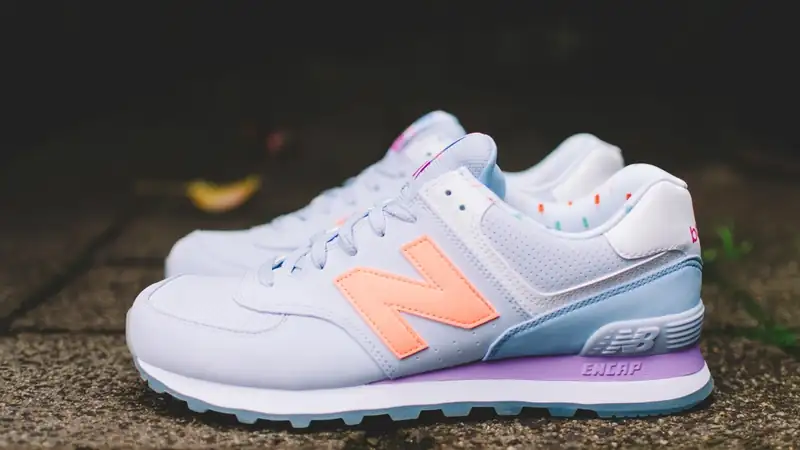
Sneaker reselling is the only hustle on this site with its own cinematic universe — bots, backdoors, kids in Supreme hoodies leaning on rented Lambos. It's also the clearest case study I know of a spread that got arbitraged to death in public, while the content about it kept partying like it was 2021.
I flip for real money — furniture, tools, and appliances, unglamorous stuff with fat local spreads — so I looked at sneakers the way I'd look at any category: what's the buy-in, what's the sell-through, what's the fee stack, what's left. Here's that analysis, with the market's own data doing the talking.
The market turned, measurably
Two numbers tell the whole story. In 2020, at peak mania, about 58% of new releases traded above retail on the resale platforms. By 2024 that figure had fallen to 47% — the first time a minority of releases cleared retail — per market research summarized by Measure Protocol's 2026 resale analysis. Same research: typical reseller margins compressed from roughly 100% at peak to 10–25% per pair, and hyped pairs that once printed $200–$300 profits now clear "$20–$50 — if they clear retail at all."
Why it broke: brands flooded the zone with releases and re-releases, retail prices climbed, the casual-money wave receded, and the resale platforms themselves matured into efficient markets. Efficient markets are where easy spreads go to die — a flipped coin the whole flipping economy already knows from trading cards, Beanie Babies, and half the "collectibles" aisle.
The fee math on a "win"
Say you actually hit: a $180 release trading at $240. Feels like $60. Watch it evaporate:
| Line | Amount |
|---|---|
| Sale price | $240.00 |
| Retail cost + tax | −$192.60 |
| Platform fees (~9% + ~3% processing) | −$28.80 |
| Shipping to platform / buyer | −$8–$14 |
| Net profit, one pair | $5–$11 |
Fee stack varies by platform and seller level; StockX-class marketplaces run ~9% commission plus payment processing at entry level, while eBay charges authenticated sneakers over $150 a reduced 8% final value fee with no per-order fee (eBay fee schedule). None of it saves a $47 gross spread.
Eleven dollars. For monitoring release calendars, winning a raffle or beating bots, fronting $190 for weeks, and a trip to the shipping counter — where, at least, the packing rules are easy because shoeboxes are kind. And that's the 47th percentile or better outcome. The other half of releases sit at or under retail, which means your "inventory" is a pile of shoes strangers may buy back from you at a loss, slowly.
The costs the spreadsheet hides
Collectibles run the same movie
Cards, Funko, LEGO, "investment-grade" everything — the shape repeats. A genuine scarcity, an early-mover windfall, a stampede, then platforms and repop supply grind spreads to fee-level. What survives every cycle is the same two niches: deep-knowledge specialists who know one category better than the market (the guy who can grade vintage cards on sight), and service providers who sell to the stampede — authentication, supplies, brokerage — the shovel-sellers.
There's also a tax detail flippers of "collectibles" learn late: this is business income like any other flip, platform 1099-Ks and all, and hobby losses on shoes that didn't clear retail don't offset your day-job wages. The IRS does not care that the Travis Scotts were supposed to go up.
The corner that still works
What I'd flip instead
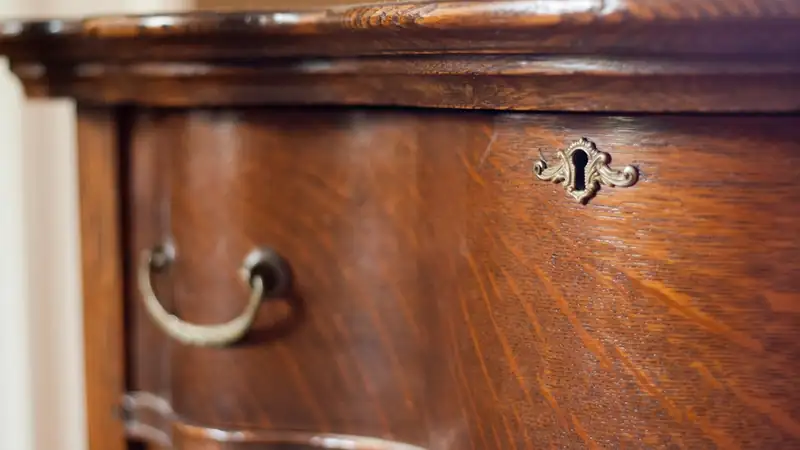
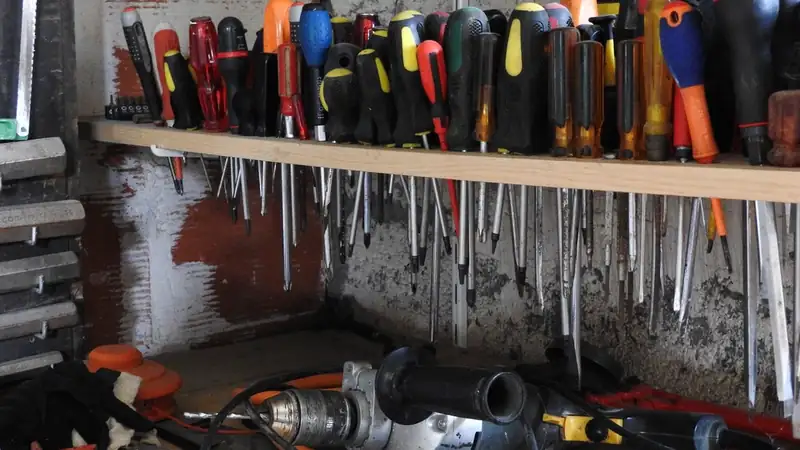
The same $1,500 bankroll pointed at Marketplace furniture, tools, and appliances turns over slower per listing but wins on every metric that matters: spreads of 50–150% instead of 10–25%, no bots, no authentication risk, no national market efficiently pricing your local estate-sale dresser. Boring inventory has the margins precisely because nobody makes videos about it. Run any category through the cost-per-use style discipline — cash locked up, honest hours, realistic sell-through — and dressers beat Dunks every quarter of the last three years.
If you still want to trade sneakers
- Treat it as trading, not collecting: pre-commit a bankroll you can lose and a per-pair max hold time.
- Only buy releases with demonstrated resale demand — check the last three comparable drops' sold prices, not the Discord's mood.
- Compute the full fee stack before you buy, using your platform's actual seller level, not the best case.
- Sell into the first-week hype window; "holding for appreciation" is how flippers become collectors involuntarily.
- Wear your losses literally — the consolation prize of this hustle is at least a decent rotation.