Buy-It-For-Life Tools: 15 Purchases Where the Expensive One Is Cheaper
Fifteen tools and hard goods where paying more up front costs less per decade — with real 2026 prices, replacement math, and three famous 'buy it for life' purchases that don't actually pencil out.
Worked examples from researched US prices — educational information, not financial, tax or legal advice. Full disclaimer

On this page6 sections
"Buy it for life" has become a religion online, and like most religions it's got some solid rules and some expensive nonsense. The solid rule: for tools you use often, a well-made version amortized over decades beats replacing junk every few years. The nonsense: paying triple for anything with a lifetime warranty, whether or not the cheap version actually fails.
The tiebreaker is arithmetic, not vibes. Divide price by realistic years of service. Below are fifteen purchases where that division favors the expensive option — with street prices checked in August 2026 — followed by three cult favorites where it doesn't. Prices move, so treat every figure as a snapshot and re-run the math at checkout.
The ledger: 15 buys where expensive wins
| Item | Buy-once | Cheap route | 10-yr cost, cheap |
|---|---|---|---|
| Estwing E3-16S steel hammer | $24.98 | $10, loose head ~4 yr | ~$30 |
| Channellock 440 tongue-and-groove pliers | $35–$45 | $12, jaws round off | ~$36 |
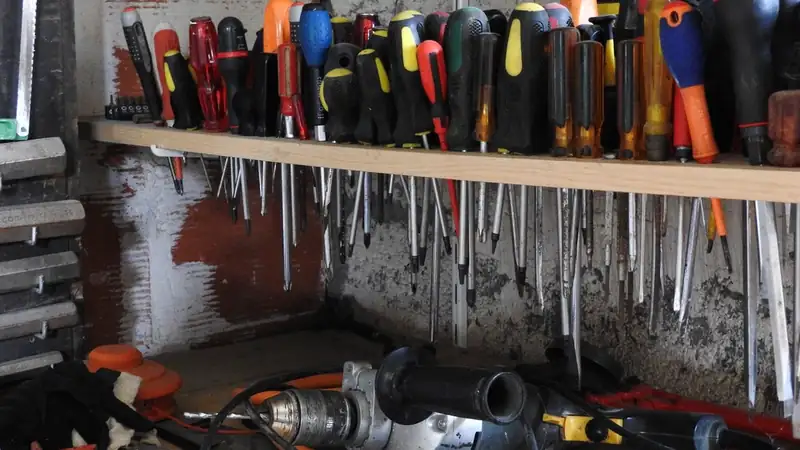
| Klein screwdriver set (8 pc) | $45–$60 | $15 set, tips strip | ~$45+ stripped screws |
| Vise-Grip 10WR locking pliers | $18–$25 | $8, cam wears out | ~$24 |
| Knipex Cobra 10″ pliers | $45–$60 | $15, slips on fittings | ~$45 + knuckles |
| Ratchet strap set, 1.5″ commercial | $40–$60 | $20 set, ~3 yr webbing | ~$60 |
| Leatherman Wave+ multi-tool | $110–$130 | $25 gas-station tool, ~2 yr | ~$125 |
| Lodge 12″ cast iron skillet | $30–$45 | $25 nonstick, 2–3 yr coating | ~$100 |
| Weber Original Kettle Premium 22″ | $175–$219 | $120 box-store grill, ~4 yr | ~$300 |
| Darn Tough work socks (per pair) | $24–$28 | $3/pr, holes in months | ~$90–$120 |
| Goodyear-welted work boots | $230–$350 + resoles | $70 cemented, ~1.5 yr | ~$450 |
| Wooden-handle digging shovel, fiberglass core | $45–$70 | $18, snaps at the collar | ~$54 |
| Speed Queen TC5 washer | $1,150–$1,350 | $650 unit, ~7–9 yr | ~$800–$950 + a repair |
| Thermos Stainless King 40 oz | $30–$40 | $12, dents/loses vacuum | ~$36 |
| 6″ fiberglass stepladder, Type IA | $120–$180 | $60 Type III, flexes, retired early | ~$120 + the fall risk |
Estwing price from homedepot.com, August 2026; others are typical street-price ranges at Home Depot, Lowe’s, Amazon, and manufacturer sites the same month. Cheap-route lifespans are the honest middle of user-reported ranges, not worst cases.
Ten-year cost on the cheap route already looks bad, and it undercounts. It doesn't price the Saturday you lose when the cheap ratchet strap lets a mattress kite off your trailer on I-71.
Why these specific items
The hammer is the poster child. The Estwing is one piece of forged steel — there is no head to loosen, no handle to snap, and at $24.98 at Home Depot it costs about as much as two cheap hammers. American-made, and mine has pulled ten years of nails without complaint. There is no scenario where the $10 hammer wins unless you lose tools annually, in which case buy the $10 one and solve that problem first.
Hand tools that bite: Channellock, Knipex, Vise-Grip, Klein. The failure mode of cheap gripping tools isn't dramatic breakage — it's jaws that round off and tips that strip, which then destroy the fastener you're working on. A stripped screw head can turn a 10-minute fix into an hour. That's the hidden line in the ledger: cheap tools damage the thing you're fixing.
Socks and boots are tools if you work on your feet. Darn Tough replaces any sock, forever, no receipt — the guarantee is on their site, and people actually use it. Welted boots cost triple but take $60–$90 resoles instead of dying; over a decade of real wear the math lands close to even, and the welted boots are better every single day you wear them. If your boots live in an office, buy the $70 pair — this only pencils with miles on it.
The washer is the sleeper. A Speed Queen TC5 is a commercial-grade transmission in a residential box, roughly double the price of a builder-grade unit, with a much longer designed service life and cheap, available parts. The cheap washer's real price includes one $250–$400 repair call, the load of laundry it dies with, and delivery on its replacement. Appliance math is the purest cost-per-use case on this list.
Three BIFL favorites that don't pencil
The $45 tumbler. A Yeti-class tumbler and a $15 store-brand both keep coffee hot till lunch, and neither wears out — stainless vacuum bottles fail by being lost. When the failure mode is losing it, price is the only variable. Buy two cheap ones.
The $350 rotomolded cooler. Unless you're on multi-day remote trips, a $60 conventional cooler holds ice through any cookout and weighs half as much. The premium cooler is durable, sure — but the cheap one is also durable, because a plastic box has almost nothing to break.
Premium mechanic sets for occasional wrenchers. If you turn wrenches monthly, not daily, mid-tier tools with a good warranty do everything the truck brands do at a fifth of the price. I break down exactly where the budget stuff holds up in Harbor Freight vs. the big brands — the short answer is that hand-tool steel got good everywhere.
The used-market cheat code
Cast iron is the flagship example — a crusty Lodge at a garage sale for $10 strips down to bare metal with oven cleaner and a weekend, and vintage pans are often better-machined than new ones. Estwing hammers, Channellock pliers, and Vise-Grips show up at estate sales and pawn shops for a third of retail, and the inspection takes ten seconds: no cracks, no welds, jaws meet. Welted boots are the exception — used footwear is shaped to someone else's feet; buy those new and break them in yourself.
The stack ranks like this: used BIFL beats new BIFL beats new cheap beats used cheap. That last one matters — a used $18 shovel is a $9 shovel with unknown abuse history, which is no bargain at all. Buy quality secondhand and junk never.
How to vet any BIFL claim yourself
The five-question filter
- How does the cheap one actually fail, and how often? If you can't name the failure, you're buying marketing.
- Will I use it 50+ times a year? Below that, durability rarely pays for itself.
- Is the expensive one repairable — resoles, replacement parts, a real warranty someone honors?
- Is the failure expensive beyond replacement (stripped fasteners, flooded laundry room, dropped mattress)?
- Am I likely to lose it before I wear it out? If yes, buy cheap. Loss doesn't care what you paid.
The verdict
One habit ties this whole list together: before any purchase over about $50, write down what it replaces, how long the alternative lasts, and divide. Two minutes of arithmetic kills most bad purchases before the card comes out. That habit has saved me more than any coupon ever has — it's the same math that decides whether a $500 car kit beats one roadside bill.